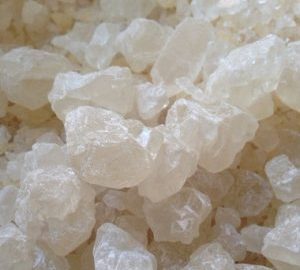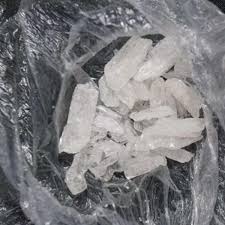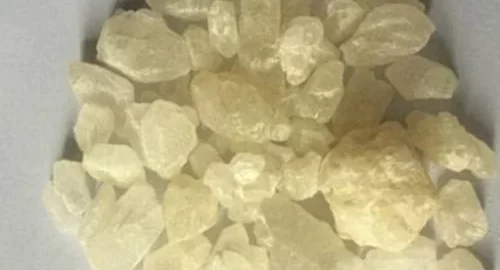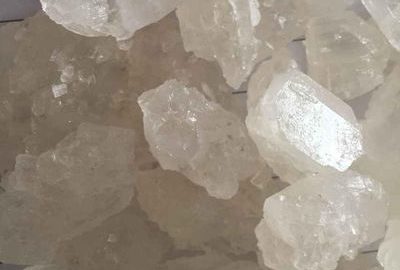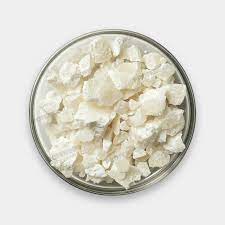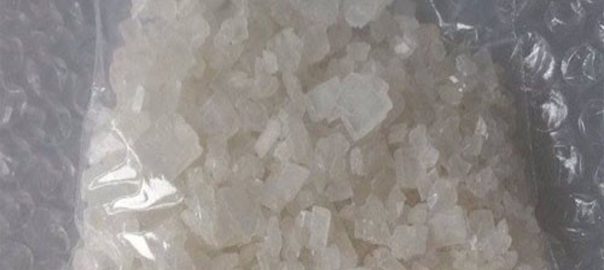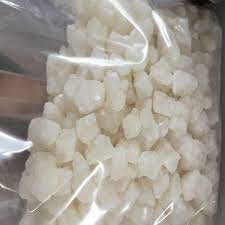
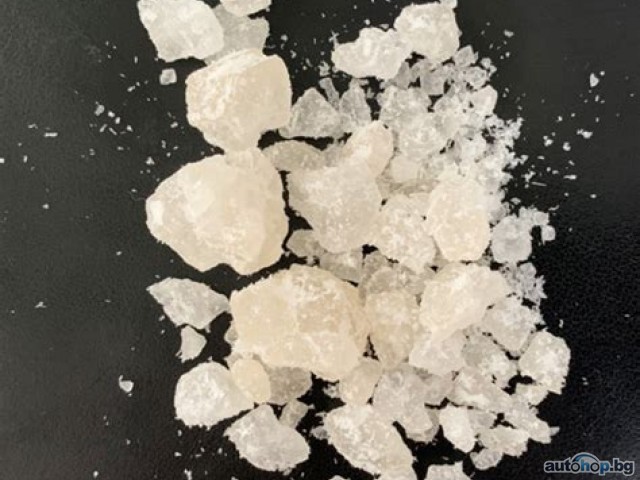
3-MMC (3-Methylmethcathinone), also known as Metaphedrone, is the structural isomer of the better-known Mephedrone (4-MMC). While they are chemically similar, 3-MMC emerged as a distinct market successor and is currently one of the most widely discussed synthetic cathinones in 2026.
The Effects: “A Middle Ground”
Users generally describe 3-MMC as a hybrid between the effects of MDMA and Cocaine. It is more “empathogenic” (emotional connection) than 3-CMC, but more “stimulant-focused” than original Mephedrone.
-
Mental: Intense euphoria, increased sociability, and a heightened appreciation for music and touch.
-
Physical: High energy, increased heart rate, and significant appetite suppression.
-
Duration: When snorted, the peak lasts about 45 to 90 minutes. When taken orally, it lasts 2 to 4 hours.
-
The “Craving”: it is notorious for its extremely high “compulsive redosing” potential. Users often find it difficult to stop until the supply is exhausted.
3-MMC vs. 3-CMC: Why the Distinction Matters
In the research chemical community, 3-MMC is generally preferred over 3-CMC, but the risks are slightly different:
-
Pleasure: 3-MMC has a higher affinity for serotonin, making it “warmer” and more euphoric. 3-CMC is often described as “cold,” “jittery,” and “more toxic.”
-
Neurotoxicity: While 3-CMC is suspected of direct neurotoxicity (killing nerve cells), 3-MMC’s primary danger lies in cardiovascular strain and its high potential for addiction.
-
Identification: In 2026, many batches sold as “3-MMC” are actually 3–CMC because its more difficult to synthesize and more strictly controlled.
Health Risks & Safety
-
Cardiac Strain: It causes significant hypertension (high blood pressure) and tachycardia.
-
“The Crash”: The comedown is often characterized by extreme fatigue, depression, and “brain fog.”
-
Serotonin Syndrome: If mixed with antidepressants (SSRIs/MAOIs) or MDMA, it can cause a life-threatening over-accumulation of serotonin.
-
Psychosis: Sleep deprivation caused by long “binges” often leads to temporary stimulant-induced psychosis (hallucinations/paranoia).
Current Legal Status (2026)
The “grey market” for 3-MMC has effectively ended in most of the world:
-
International: The UN Commission on Narcotic Drugs placed it in Schedule II in 2023, requiring worldwide control.
-
Europe: It is strictly illegal across the EU (Classified as a “drug” since 2022).
-
United Kingdom: Classified as a Class B drug.
-
USA: While not always named specifically in every state code, it is almost always prosecuted under the Federal Analogue Act as an analog of Mephedrone or Methcathinone.
Harm Reduction Essentials
-
Test Your Batch: Because it is often sold as 3-MMC, use a Liebermann reagent. it turn a bright yellow/orange.
-
Set a Limit: Decide on a total amount for the night before you start and put the rest away. The “urge to redose” is the biggest cause of overdose.
-
Oral vs. Nasal: Taking it orally (in a capsule) reduces the “rush” but also lessens the compulsive urge to redose compared to snorting.
-
Cooling: Like all cathinones, it can cause hyperthermia (overheating). Take regular breaks from dancing and stay hydrated with electrolytes, not just plain water.
| Reagent | Expected 3-MMC Result | Comparison: 3-CMC | Comparison: MDMA |
| Liebermann | Bright Yellow / Orange | Yellow / Orange | Black |
| Marquis | No color change | No color change | Purple / Black |
| Mandelin | No color change | No color change | Dark Purple / Black |
| Froehde | No color change | No color change | Black |
| Simon’s | Blue (Positive) | Blue (Positive) | Blue (Positive) |
The “Warning” Check:
-
If your Marquis or Mandelin turns Brown or Black, it is not 3-MMC. It likely contains MDMA, an amphetamine, or a more dangerous adulterant.
-
The 3-MMC vs. 3-CMC Problem: Reagent kits often struggle to tell these two apart because they both react similarly (Yellow/Orange on Liebermann). If your “3-MMC” feels unusually “cold,” jittery, or short-lived, it may be 3–CMC.
2. Lab Testing Services (Highly Recommended)
If you want 100% certainty, send a small sample (approx. 20-50mg) to a professional lab. Many of these are free or low-cost:
-
WEDINOS (UK/International): You can mail samples anonymously to their lab in Wales. They provide results online via a reference code.
-
Energy Control (International/Spain): One of the world’s most advanced testing services for research chemicals and cathinones.
-
Get Your Drugs Tested (Canada/US): Offers free infrared (FTIR) testing. You can mail a sample, and they usually post results within a few days.
3. Local & Digital Support Resources
If you are experiencing a difficult comedown or are concerned about use patterns, these groups provide help without judgment:
-
Never Use Alone (Call: 877-696-1996): If you are using stimulants alone, call this number. A volunteer will stay on the phone with you. If you stop responding, they will call emergency services to your location to prevent a fatal overdose.
-
PsychonautWiki & Bluelight: These are the leading community-driven databases for “Trip Reports” and safety dosing. They are essential for understanding the specific physical “red flags” for 3-MMC.
-
The Fireside Project (Text/Call: 623-473-7433): A peer-support line specifically for people having a difficult experience while on a substance or during a “crash.”