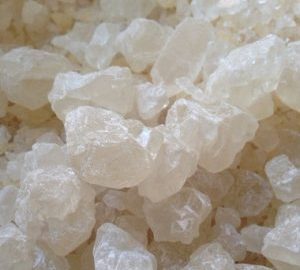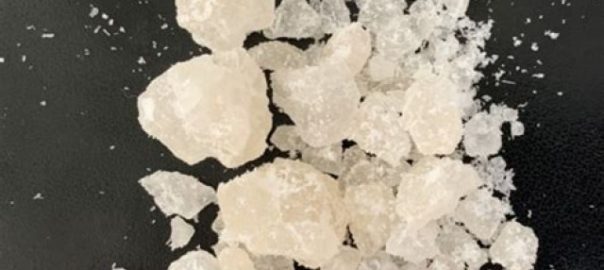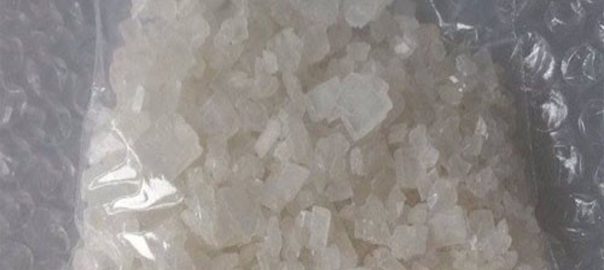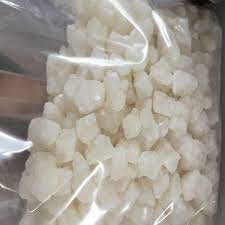
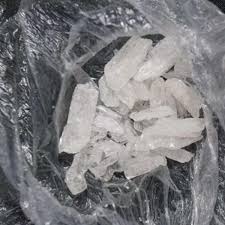
3-CMC (3-Chloromethcathinone), also known as Clophedrone, is a synthetic stimulant belonging to the substituted cathinone class. It is chemically related to substances like mephedrone (4-MMC) and bupropion (Wellbutrin).
While it is often sold as a “research chemical” or “legal high,” it has been widely banned across the globe as of 2026.
The Effects of 3-cmc
Users typically report that 3-CMC is more of a “pure stimulant” than an empathogen (like MDMA). Its effects generally last between 1 to 4 hours and include:
-
Physical: Increased energy, alertness, and heart rate.
-
Mental: Euphoria, increased sociability, and heightened libido.
-
The “Twist”: Compared to its close relative 3-MMC, 3-CMC is often described as having a shorter duration and a more “jittery” or aggressive stimulation with less “warmth” or euphoria.
Significant Health Risks
3-CMC is considered high-risk because there is very little clinical data on its long-term effects on humans. Known risks include:
-
Neurotoxicity: Studies on cell cultures suggest 3-CMC may be toxic to nerve cells, potentially causing brain damage with repeated use.
-
Cardiovascular Strain: It can cause severe tachycardia (rapid heart rate), chest pain, and dangerous spikes in blood pressure.
-
Psychological Distress: Frequent “comedowns” are reported to be harsh, involving intense cravings, anxiety, insomnia, and in severe cases, psychosis or “excited delirium.”
-
Compulsive Redosing: Because the peak is short-lived, users often feel a strong urge to redose, which significantly increases the risk of overdose.
Current Legal Status (2026)
The “legal high” window for 3-CMC has largely closed:
-
International: In 2024, the UN Commission on Narcotic Drugs added 3-CMC to Schedule II of the 1971 Convention, meaning it is internationally controlled.
-
European Union: It is strictly classified as a drug under EU law (as of 2022/2023), making its sale and possession illegal in member states.
-
USA: While not always named specifically in every state, it is typically treated as a Schedule I Analog under the Federal Analogue Act because its structure is substantially similar to controlled cathinones.
Note on Safety: Because it is produced in unregulated labs, 3-CMC is frequently “cut” with other unknown substances or mislabeled. Many “3-MMC” samples found on the market in recent years actually tested as 3-CMC.
3-CMC is a high-risk substance primarily due to its potential neurotoxicity and the lack of human clinical data. If you or someone you know is in possession of this substance, the most important steps for safety involve verifying what the substance actually is and understanding how to manage the severe physical and mental strain it causes.
1. Substance Identification (Testing)
Synthetic cathinones are notoriously mislabeled. “3-CMC” is frequently sold as “3-MMC” or “4-MMC,” and vice versa.
-
Reagent Testing: You can use home test kits to get a “presumptive” identification. While not as accurate as lab testing, they can rule out certain dangerous adulterants.
-
Liebermann Reagent: Typically turns yellow/orange in the presence of 3-CMC or 3-MMC.
-
Marquis Reagent: Generally shows no color change for pure 3-CMC (this helps rule out MDMA or Methamphetamine, which turn purple/black and orange/brown respectively).
-
Simon’s Reagent: Can help distinguish between primary and secondary amines (3-CMC should react, while cathinones like MDPV will not).
-
-
Professional Lab Testing: If you are in Europe or certain parts of North America, services like Get Your Drugs Tested (Canada) or Energy Control (International) offer more precise GC/MS testing.
2. Acute Harm Reduction Tips
If the substance is consumed, the primary goals are to prevent cardiovascular failure and overheating.
-
“Start Low, Go Slow”: Because 3-CMC has a very high “urge to redose,” users often take too much too quickly.
-
Hydration & Temperature: Stimulants inhibit the body’s ability to cool itself. Sip water (don’t chug) and avoid hot environments or intense physical activity (like dancing in a crowded room) without breaks.
-
Avoid Mixing: Combining 3-CMC with alcohol increases strain on the liver and heart. Combining it with other stimulants (caffeine, cocaine) or MAOIs is extremely dangerous and can lead to Serotonin Syndrome or heart failure.
3. Managing the “Comedown”
The 3-CMC crash is often described as intense, involving heavy anxiety and “brain fog.”
-
Avoid “Landing Gear”: It is common to want to take benzodiazepines (Xanax, Valium) or alcohol to sleep. This creates a “speedball” effect that puts massive stress on the heart.
-
Nutrition: Eat magnesium-rich foods or take a supplement (Magnesium Glycinate) to help with muscle tension and jaw clenching.
-
Sleep Hygiene: Prioritize a dark, cool room. Even if you cannot sleep, resting your body is vital for recovery.
4. Emergency Signs
Seek medical attention immediately if you experience:
-
Chest pain or a heart rate that won’t slow down after resting.
-
Seizures or extreme muscle tremors.
-
“Excited Delirium” (extreme agitation, aggression, or hallucinations).
-
High fever or inability to sweat.
Resources for Support
If you are struggling with compulsive use of synthetic stimulants, these resources provide non-judgmental help:
-
Never Use Alone (USA/Canada): Call 877-696-1996. A volunteer will stay on the line with you while you use to ensure you stay safe and can call for help if you stop responding.
-
National Harm Reduction Coalition: Offers a map of syringe service programs and naloxone distribution centers.
-
SAMHSA’S National Helpline: 1-800-662-HELP (4357) for confidential, 24/7 treatment referral and information.