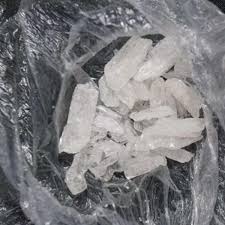
How is 3-CMC Administered Understanding the Common Methods
3-Chloromethcathinone, commonly known as 3-CMC, is a synthetic stimulant belonging to the cathinone class. As a research chemical that has gained attention in various markets, understanding its administration methods is crucial for harm reduction and general awareness, particularly given its regulatory status in many regions.
While often compared to its predecessor, 3-MMC, 3-CMC has distinct properties and usage patterns. This article outlines the typical routes of administration reported by users and documented in scientific literature, while emphasizing the inherent risks associated with novel psychoactive substances (NPS).
Disclaimer: This content is for informational and educational purposes only. It does not endorse or encourage the use of illegal or unregulated substances. 3-CMC is classified as a controlled substance in many countries due to potential health risks.
Oral Administration
One of the most common methods for consuming 3-CMC is oral ingestion. This route is generally considered less intense than others, with a slower onset of effects.
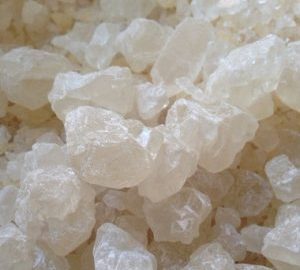
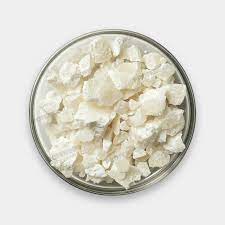
- Capsules (“Bombing”): Users often weigh a specific dose of the crystalline powder and place it inside a gelatin capsule or wrap it in a cigarette paper (known as a “parachute” or “bomb”). This method masks the chemical taste, which is frequently described as caustic and unpleasant.
- Dissolved in Liquid: Some individuals dissolve the powder in water or a soft drink. While effective, this exposes the taste buds to the substance’s bitter flavor and potential causticity.
The onset of effects for oral administration typically ranges from 30 to 60 minutes, depending on stomach contents and individual metabolism.
Nasal Insufflation (Snorting)
Insufflation is a prevalent method for many synthetic cathinones, including 3-CMC. Users crush the crystals into a fine powder and inhale it through the nose.
- Rapid Onset: The primary motivation for this method is speed. Effects can be felt within minutes as the substance is absorbed through the mucous membranes directly into the bloodstream.
- Risks: 3-CMC is reported to be particularly caustic. Frequent insufflation can lead to severe damage to the nasal cavity, including irritation, bleeding, and long-term erosion of the septum. Users often report a significant burning sensation compared to other substances in the same class.
Other Reported Methods
While oral and nasal administration are the most dominant routes, other methods have been documented in harm reduction forums and toxicology reports, though they carry significantly elevated risks.
- Rectal Administration (“Boofing”): This involves dissolving the substance in water and administering it rectally. It offers a high bioavailability and rapid onset similar to insufflation but without the nasal damage. However, it carries risks of damage to rectal tissue.
- Intravenous (IV) Injection: This is the most dangerous method of administration. Injecting 3-CMC leads to immediate and intense effects but drastically increases the risk of overdose, vein damage, and systemic infection. Given the caustic nature of 3-CMC, IV use can cause severe complications at the injection site.
Dosage and Safety Considerations
Because 3-CMC is a research chemical, there is no standardized medical dosage. Information on dosing is largely anecdotal, derived from user reports on forums like Reddit and Erowid.
- Threshold: Reports suggest effects can be felt at relatively low doses.
- Common Dose: Users typically report “common” doses ranging significantly, often between 50mg to 150mg depending on tolerance and route of administration.
- Heavy Dose: Doses exceeding 200mg are considered heavy and carry a much higher risk of adverse reactions, including anxiety, paranoia, heart palpitations, and neurotoxicity.
The Importance of Harm Reduction
If 3-CMC is ingest, harm reduction practices are vital.
- Test Your Substance: Reagent testing can help identify if the substance is actually 3-CMC or if it has been adulterated with other chemicals.
- Start Low, Go Slow: Because potency can vary between batches, starting with a very small allergy test dose is recommended to gauge individual reaction.
- Avoid Mixing: Combining stimulants with other substances, particularly depressants like alcohol or other stimulants, increases cardiovascular strain and the risk of fatal overdose.
- Hydration: Stimulants can cause dehydration and overheating. Sip water regularly, but avoid over-hydration.
Understanding the Legal and Health Landscape of How is 3-CMC Administered
The administration of 3-CMC is not just a matter of “how,” but also of understanding “what” is entering the body. As a chloromethcathinone, concerns have been raise regarding potential neurotoxicity. Similar to chlorinate amphetamines (like 4-CA), which are known to be toxic to serotonin neurons.
Regulatory bodies across Europe and other parts of the world have moved to ban or control 3-CMC due to these health concerns. Before considering any interaction with this substance, it is imperative to be aware of the local laws and the significant gap in clinical research regarding its long-term impact on human health.