What Are Cathinones? Everything You Need to Know About “Bath Salts”
In recent years, new psychoactive substances have appeared in headlines and emergency rooms across the globe. Among the most concerning and frequently misunderstood of these are synthetic cathinones, often colloquially referred to as “bath salts.”
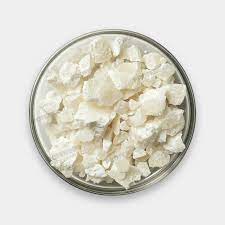
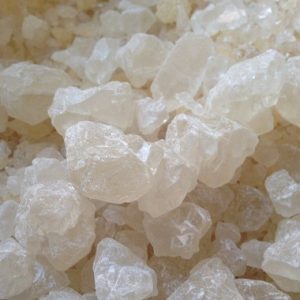
Despite the innocuous nickname, these substances have no relation to the soothing salts used for a relaxing soak. Instead, they are powerful stimulants designed to mimic the effects of illegal drugs like cocaine, Mephedrone or 4mmc, 3-cmc drug, 3-mmc, methamphetamine, 4cmc and 2cmc dug, and MDMA (ecstasy). The rise of these substances presents a complex challenge for law enforcement, healthcare providers, and communities trying to stay safe.
Understanding what cathinones are, how they affect the body, and the legal landscape surrounding them is crucial. This guide breaks down the science, the risks, and the history behind these potent chemical compounds.
The Origins: From Khat to Laboratories
To understand synthetic cathinones, we must first look at their natural ancestor. Catha edulis, commonly known as khat, is a shrub native to East Africa and the Arabian Peninsula. For centuries, people in these regions have chewed khat leaves for their mild stimulant effects, similar to drinking strong coffee. The primary psychoactive component in these leaves is cathinone.
While natural khat has a long history of cultural use, the synthetic versions appearing in today’s drug market are a different beast entirely.
Scientists first synthesized cathinones in the 1920s, but they remained largely obscure until the early 2000s. Underground chemists began altering the chemical structure of cathinone to create new compounds that could evade existing drug laws. These new, lab-made versions are often much stronger and more unpredictable than their natural counterpart.
Why Are They Called “Bath Salts”?
The term “bath salts” is a marketing ploy, not a description of the product. When synthetic cathinones first hit the street market, sellers needed a way to distribute them openly without attracting immediate police attention.
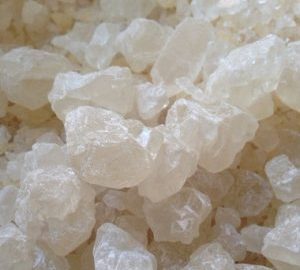
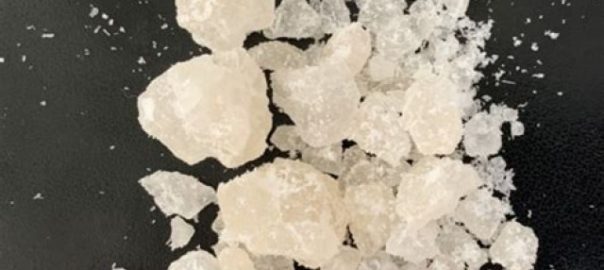
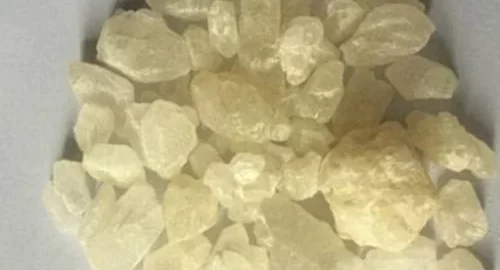
To bypass regulations, these drugs were packaged in small, colorful foil packets and labeled as “soothing bath salts,” “plant food,” “jewelry cleaner,” or “phone screen cleaner.” They were sold in convenience stores, gas stations, and head shops under brand names like “Ivory Wave,” “Vanilla Sky,” and “White Lightning.”
Almost all these packages carried the disclaimer “Not for Human Consumption.” This legal loophole allowed retailers to sell powerful psychoactive drugs under the guise of household products until legislation caught up to close the gap.
How Cathinones Affect the Brain
Synthetic cathinones belong to a class of drugs known as central nervous system stimulants. Chemically, they are closely related to amphetamines.
When ingested, snorted, smoked, or injected, these chemicals interact with the brain’s neurotransmitters—specifically dopamine, norepinephrine, and serotonin. These are the chemical messengers responsible for regulating mood, heart rate, energy, and pleasure.
Cathinones cause a massive surge of these chemicals in the brain. The result is an intense, often overwhelming, stimulation.
The “High” vs. The Crash
Users typically seek out these substances for euphoria, increased sociability, and a surge in energy. However, the mechanism of action is often aggressive. Some synthetic cathinones are reported to be ten times more powerful than cocaine.
Because the brain is flooded with dopamine so rapidly, the “crash” that follows can be severe. This often leads to a strong compulsion to re-dose, creating a high potential for addiction and dependence.
The Dangers and Health Risks
The primary danger of synthetic cathinones lies in their unpredictability. Because these drugs are manufactured in illicit labs with no quality control, the chemical composition can vary wildly from batch to batch. A user never truly knows what specific compound or dosage they are taking.
The health consequences range from uncomfortable to fatal.
Physical Side Effects
The stimulant nature of these drugs pushes the cardiovascular system to its limit. Common physical symptoms include:
- Rapid heart rate (tachycardia)
- High blood pressure (hypertension)
- Chest pain
- Kidney failure
- Muscle breakdown (rhabdomyolysis)
Psychological Side Effects
The impact on mental health is perhaps the most alarming aspect of cathinone use. High doses can trigger a condition known as “excited delirium.” This state is characterized by:
- Extreme agitation
- Violent behavior
- Hallucinations
- Paranoia and delusions
- Self-harm
There have been numerous documented cases where individuals under the influence of synthetic cathinones acted erratically or violently, requiring significant medical and law enforcement intervention.
The Legal Landscape: A Game of Whac-A-Mole
Regulating synthetic cathinones has proven difficult for governments worldwide. The core issue is the speed of chemical innovation.
When a specific chemical structure, such as Mephedrone or MDPV, is identified and banned, clandestine chemists simply tweak the molecule slightly. This creates a “new” substance that technically isn’t illegal yet but produces similar effects.
The Synthetic Drug Abuse Prevention Act
In the United States, a significant step was taken with the Synthetic Drug Abuse Prevention Act of 2012. This legislation permanently placed several specific synthetic cathinones into Schedule I of the Controlled Substances Act.
Schedule I drugs are defined as having:
- A high potential for abuse.
- No currently accepted medical use in treatment.
- A lack of accepted safety for use under medical supervision.
Despite these strict regulations, the market persists. New variations continue to appear, often sold online on the “dark web” or through international mail, challenging border control and postal inspectors.
Signs of Use and Addiction
Identifying synthetic cathinone use can be challenging because standard drug tests do not always detect these specific compounds. However, behavioral and physical signs can be indicators.
If you suspect someone is using these substances, look for:
- Behavioral changes: intense paranoia, sudden aggression, or panic attacks.
- Physical signs: involuntary muscle movements (bruxism/teeth grinding), profuse sweating, or dilated pupils.
- Sleep patterns: staying awake for days at a time (binging), followed by long periods of deep sleep (crashing).
Addiction to cathinones can be severe. Withdrawal symptoms often include intense cravings, depression, anxiety, and tremors. Professional medical detox and therapy are usually required to safely manage the withdrawal process and support long-term recovery.
Moving Forward: Education and Safety
The era of “legal highs” sold openly at gas stations has largely passed due to stricter enforcement, but synthetic cathinones remain a public health concern. The misconception that these substances are “safer” alternatives to traditional drugs because they were once sold in stores is dangerous and false.
Education is the most powerful tool available. Understanding that “bath salts” are not harmless novelties, but rather potent, unregulated psychostimulants, is the first step in preventing use and helping those who may be struggling with addiction.
If you or someone you know is dealing with substance use issues, reach out to a medical professional or a local addiction support service immediately.
Meta data
Meta title
What are Cathinones? The Truth About “Bath Salts”
Meta description
What are synthetic cathinones? Learn the history, health risks, and legal status of the potent stimulants commonly known as “bath salts.”