
The Truth About Chloromethcathinone Effects, Risks, and Legality
The landscape of recreational drugs is constantly shifting. As governments ban specific substances, underground chemists tweak molecular structures to create new compounds that technically skirt existing laws. One such group of substances that has gained traction in recent years is chloromethcathinone, often found on the market as 3-CMC or 4-CMC.
These compounds belong to a class known as synthetic cathinones, colloquially referred to as “bath salts.” While they are often marketed as legal alternatives to established stimulants like MDMA or cocaine, the reality is far more complex and potentially dangerous. For anyone looking to understand the current state of New Psychoactive Substances (NPS), grasping the nature of chloromethcathinone is essential. This article breaks down what this chemical is, how it affects the brain, and why health agencies across the globe are sounding the alarm.
What is Chloromethcathinone?
Chloromethcathinone is a synthetic stimulant substance of the cathinone class. To understand it, you first need to look at its natural ancestor: the khat plant (Catha edulis). The leaves of this shrub, native to East Africa and the Arabian Peninsula, contain a stimulant called cathinone.
Synthetic cathinones are lab-created derivatives of this natural chemical. They are designed to mimic the effects of illegal drugs like amphetamines, cocaine, and MDMA. Chloromethcathinone specifically refers to a molecule where a chlorine atom is attached to the phenyl ring of the methcathinone structure.
Depending on where that chlorine atom is placed, you get different “isomers.” The two most common forms found on the street markets are:
- 3-CMC (3-Chloromethcathinone): Currently one of the most prevalent cathinones in Europe following bans on earlier substances.
- 4-CMC (4-Chloromethcathinone/Clephedrone): Closely related to 4-MMC (Mephedrone), which was immensely popular in the late 2000s before being banned.
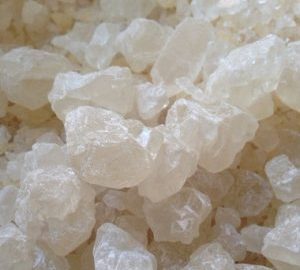
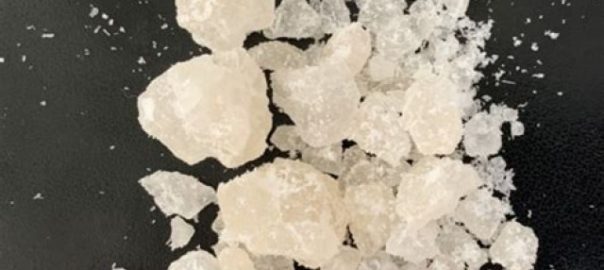
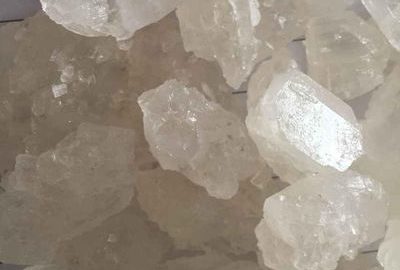
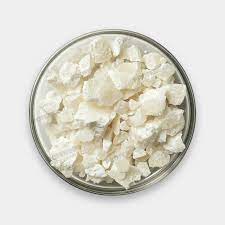
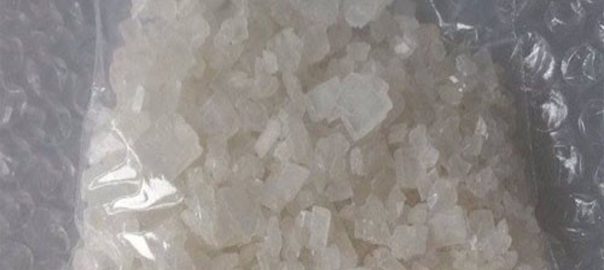
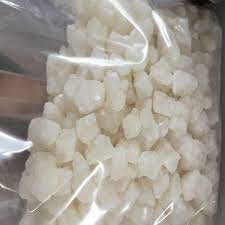
These substances are typically sold as white powders or crystals and are chemically related to antidepressants like bupropion, though their recreational effects are vastly different.
How Chloromethcathinone Works in the Brain
Like other stimulants, chloromethcathinone operates by interacting with the central nervous system. Its primary mechanism involves the monoamine neurotransmitters: dopamine, serotonin, and norepinephrine.
When a person ingests these substances, the chemical crosses the blood-brain barrier and triggers a flood of these neurotransmitters.
- Dopamine is associated with reward, motivation, and pleasure.
- Norepinephrine controls heart rate, blood pressure, and the body’s “fight or flight” response.
- Serotonin regulates mood, sleep, and appetite.
Chloromethcathinone acts as a releasing agent and a reuptake inhibitor. This means it forces the brain to release more of these “feel good” chemicals while simultaneously stopping the brain from cleaning them up. The result is a temporary, intense high characterized by stimulation and euphoria. However, this mechanism is also what leads to the substance’s potential for toxicity and addiction.
Effects and User Experience
The effects of chloromethcathinone are reported to be similar to other stimulants, though users often describe them as less potent or “clean” compared to MDMA or Mephedrone. Common effects include:
- Euphoria and elevated mood: A strong sense of well-being is the primary reason for use.
- Increased energy: Users report feeling alert, awake, and physically active.
- Sociability: Increased desire to talk and interact with others.
- Libido enhancement: Like many cathinones, it acts as an aphrodisiac.
However, the duration of these effects is often short, leading to a phenomenon known as “fiending” or compulsive re-dosing. Because the high fades quickly but the physical stimulation remains, users may take multiple doses in a single session to chase the initial euphoria, significantly increasing the risk of overdose.
Significant Health Risks and Neurotoxicity of Chloromethcathinone
The most concerning aspect of chloromethcathinone—specifically 4-CMC and 3-CMC—is the safety profile. While traditional drugs like amphetamines have been studied for decades, these new synthetic variants lack long-term human safety data. However, animal studies and chemical comparisons paint a worrying picture.
Potential Neurotoxicity
Toxicologists have raised serious concerns about the chlorinated nature of these compounds. They are structurally very similar to para-chloroamphetamine (4-CA), a chemical used by researchers specifically to destroy serotonin neurons in lab animals for experimental purposes.
Evidence suggests that 3-CMC and 4-CMC may share these neurotoxic properties. Regular consumption could potentially lead to long-term damage to the serotonin system, which is vital for mood regulation and cognitive function.
Physical Side Effects
The immediate physical risks are typical of powerful stimulants but can be unpredictable due to lack of quality control in illicit manufacturing:
- Cardiovascular issues: Rapid heart rate (tachycardia), high blood pressure (hypertension), and chest pain.
- Hyperthermia: Dangerously high body temperature, which can lead to organ failure.
- Bruxism: Severe teeth grinding and jaw clenching.
- Seizures: High doses can lower the seizure threshold.
Psychiatric Distress
The mental toll of synthetic cathinones can be severe. Users may experience intense anxiety, paranoia, and agitation. In high doses or after prolonged use (binges), drug-induced psychosis can occur, involving hallucinations and delusions that may require medical intervention.
The Legal Landscape
The legal status of chloromethcathinone is a prime example of the “whack-a-mole” dynamic between drug markets and legislators.
For years, these substances is selling online as “Research Chemicals” or “Plant Food. Labeled “not for human consumption” to bypass drug laws. As governments caught up, specific bans is enact.
- European Union: In recent years, the European Commission has moved to ban both 3-CMC and 4-CMC across all member states. The ban was based on risk assessments by the EU drugs agency (EMCDDA).
- United States: While not always explicitly listed in the Controlled Substances Act by name, these compounds can be prosecuted under the Federal Analogue Act if they are shown to be chemically similar to illegal drugs and intended for human consumption.
- Global Status: The World Health Organization (WHO) has critically reviewed these substances, recommending international control measures due to the harm they pose to public health.
Navigating a Dangerous Market
The emergence of chloromethcathinone highlights the inherent dangers of the synthetic drug market. Users often seek out these substances believing them to be legal, and therefore safe, alternatives to street drugs. The reality is often the opposite. The chemical modifications made to keep these drugs legal—such as adding chlorine atoms. Can accidentally create compounds that are significantly more toxic to the human brain than the drugs they are meant to replace.
As legislation tightens globally, 3-CMC and 4-CMC are becoming less available on the “clearnet” and moving deeper into the illicit market. Understanding the risks associated with these specific isomers is crucial for public health and harm reduction.