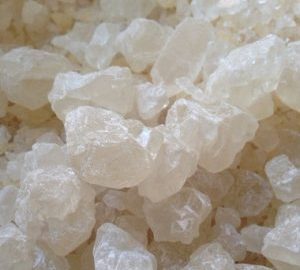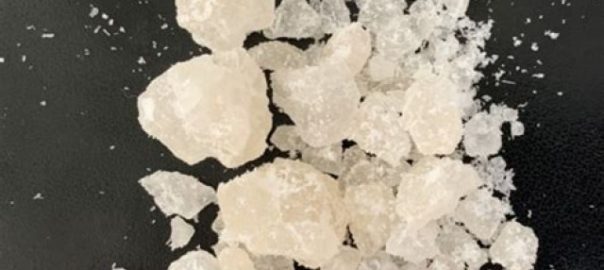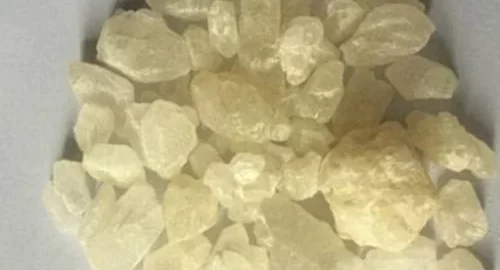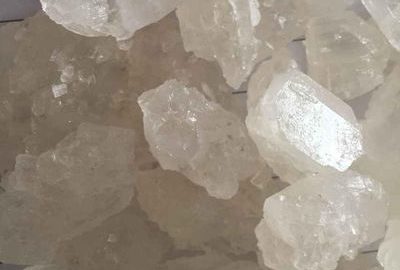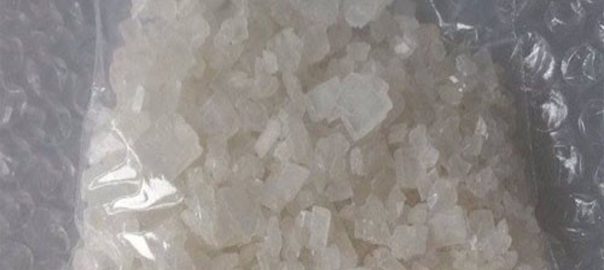
Unpacking 3-MMC: Understanding Methylmethcathinone
The landscape of psychoactive substances is constantly shifting. As governments move to regulate established drugs, chemistry labs often respond by tweaking molecules just enough to bypass existing laws, creating what are known as New Psychoactive Substances (NPS). One such compound that has gained significant attention in recent years is Methylmethcathinone, commonly known as 3-MMC.
Emerging initially as a legal alternative to its more famous cousin, Mephedrone (4-MMC), this substance quickly carved out its own niche in the recreational drug market. But as its popularity grew, so did scrutiny regarding its safety profile and potential for abuse. For researchers, medical professionals, and the general public, understanding exactly what this compound is—and what it does to the human body—is critical.
This guide provides a comprehensive overview of 3-MMC. We will explore its chemical structure, reported effects, associated risks, and the complex legal status surrounding it today.
What is Methylmethcathinone (3-MMC)?
3-Methylmethcathinone, or 3-MMC, is a synthetic molecule belonging to the cathinone family. Cathinones are chemically similar to amphetamines and are derived from the khat plant, a shrub native to East Africa and the Arabian Peninsula.
3-MMC is a structural isomer of Mephedrone (4-MMC). In chemistry, isomers are compounds with the same formula but a different arrangement of atoms. In this case, the methyl group is attached to the benzene ring at the 3rd position rather than the 4th. While this might seem like a minor adjustment, in pharmacology, even the slightest shift in molecular structure can alter how a drug interacts with the brain and body.
It first appeared on the recreational market around 2012, shortly after many countries implemented bans on Mephedrone. It was marketed as a “research chemical” or “plant food”—labels used to circumvent laws regarding human consumption—and sold online or in head shops.
The Pharmacology: How 3-MMC Works
Like other substituted cathinones, 3-MMC acts primarily as a monoamine transporter substrate. This means it inhibits the reuptake of key neurotransmitters, effectively increasing their concentration in the synaptic clefts between neurons.
The three primary neurotransmitters affected are:
- Dopamine: Responsible for reward, motivation, and motor control. Increased dopamine levels are associated with euphoria and intense focus.
- Serotonin: Regulates mood, appetite, and sleep. Elevated serotonin contributes to feelings of empathy, emotional openness, and well-being.
- Norepinephrine: Associated with the body’s “fight or flight” response. This leads to increased energy, heart rate, and blood pressure.
While research on humans is limited compared to traditional amphetamines, anecdotal reports and animal studies suggest that 3-MMC acts as both a stimulant and an entactogen (a substance that increases emotional connection). However, users often report that it is less serotonergic than Mephedrone, meaning the feelings of “love” or empathy might be less pronounced, while the stimulation remains high.
Subjective Effects and User Experiences
The effects of 3-MMC are generally described as a blend between MDMA and cocaine or amphetamines. Because it is a research chemical, clinical data on specific effects is scarce, so much of what we know comes from user reports and emergency room toxicology data.
Physical Stimulation
Users typically report a surge in energy levels. This can manifest as a desire to move, dance, or talk extensively. The physical sensation is often described as “rushing” or “buzzing.”
Cognitive and Emotional Shifts
On the psychological front, 3-MMC is reported to induce euphoria and a sense of well-being. Users often describe increased sociability and a desire to communicate with others. However, because it encourages compulsive redosing (the urge to take more immediately after the effects wear off), these pleasurable effects can quickly diminish, replaced by anxiety or agitation.
Duration
The onset of effects depends heavily on the route of administration, but generally, the peak effects are relatively short-lived compared to other amphetamines, lasting anywhere from 45 minutes to two hours. This short duration is a key factor driving the “fiendish” behavior often attributed to the substance, where users consume large amounts over a single session to maintain the high.
The Dark Side of Methylmethcathinone: Risks and Side Effects
The classification of 3-MMC as a “legal high” in the past often led to the dangerous misconception that it was safe. In reality, synthetic cathinones carry significant health risks, both acute and long-term.
Cardiovascular Strain
As a potent stimulant, 3-MMC places considerable stress on the cardiovascular system. Common side effects include:
- Tachycardia: An abnormally fast heart rate.
- Hypertension: dangerously high blood pressure.
- Vasoconstriction: The narrowing of blood vessels, which can lead to cold extremities and, in severe cases, tissue damage.
Neurotoxicity and Mental Health
The comedown from 3-MMC can be harsh. As neurotransmitter levels crash, users often experience severe depression, lethargy, and anxiety. In cases of heavy or prolonged use, side effects can escalate to psychosis, paranoia, and hallucinations. There is also concern regarding potential neurotoxicity (damage to the brain or nervous system), although more research is needed to fully understand the long-term impact on the human brain.
Addiction Potential
Perhaps the most significant risk associated with 3-MMC is its high potential for abuse. The combination of strong euphoria and a short duration creates a powerful reinforcement loop. Users may find themselves unable to stop taking the drug once they have started, leading to binges that can last for days. This compulsive pattern significantly increases the risk of overdose and physical exhaustion.
Global Legal Status
The legal status of 3-MMC has evolved rapidly. Initially, it exploited loopholes in drug legislation that banned specific substances rather than families of chemicals. However, governments have since caught up.
- International: The World Health Organization (WHO) critically reviewed 3-MMC and recommended it be placed under international control.
- Europe: Many European nations have specifically banned 3-MMC. In the Netherlands, where it was notoriously available legally for years, it was officially banned in October 2021.
- United States: While not always explicitly listed in the Controlled Substances Act by name, it can be prosecuted under the Federal Analogue Act if intended for human consumption, due to its similarity to illegal schedule I substances like Mephedrone.
Possession, sale, or production of 3-MMC is now a criminal offense in many jurisdictions globally.
Frequently Asked Questions about Methylmethcathinone
Is 3-MMC the same as Mephedrone (4-MMC)?
No, they are different chemical compounds, though they are closely related. They are structural isomers. Users often report that 3-MMC is slightly less potent and has less “magic” (serotonergic empathy) than 4-MMC, but is still very stimulating.
Can you overdose on methylmethcathinone 3-MMC?
Yes. High doses can lead to serotonin syndrome, hypertensive crisis, seizures, and cardiac arrest. The risk increases significantly if mixed with other substances, particularly other stimulants, alcohol, or MAOIs (antidepressants).
Does 3-MMC show up on drug tests?
Standard 5-panel or 10-panel drug tests do not typically screen specifically for synthetic cathinones. However, because of its chemical similarity to amphetamines and methamphetamines, it can trigger a false positive for amphetamines. Specialized lab tests can detect 3-MMC specifically.
Navigating the Future of Synthetic Stimulants
Methylmethcathinone serves as a prime example of the “cat-and-mouse” game played between drug chemists and legislators. It emerge to fill a void left by a ban, gain popularity through grey-market availability, and is eventually restricts it due to its health risks.
While the legal supply channels have largely been shut down, the substance remains in circulation illicitly. For public health officials and medical providers, the focus now shifts to harm reduction and education. Understanding that 3-MMC is a potent, short-acting stimulant with a high potential for compulsive use is vital for treating those who may be struggling with dependency or acute toxicity.
As we move forward, the story of 3-MMC reminds us that the label “research chemical” is not a badge of safety. It is simply a placeholder for the unknown.
Meta data
Meta title
Unpacking 3-MMC: Effects, Risks, and Legal Status
Meta description
What is 3-MMC? Explore the effects, chemistry, and safety risks of Methylmethcathinone in this comprehensive guide to the synthetic cathinone.
Methylmethcathinone