What Are Synthetic Cannabinoids The Truth About Synthetic Cannabinoids: Risks and Reality
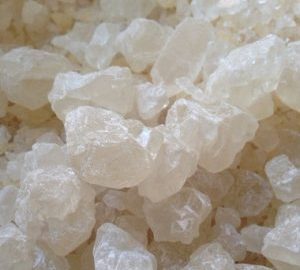
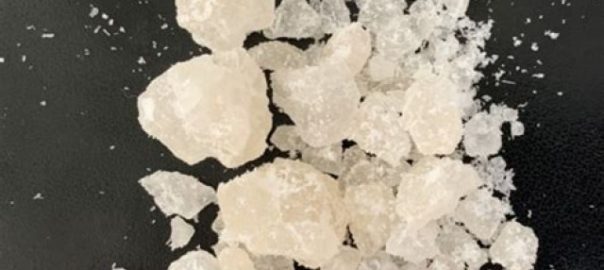
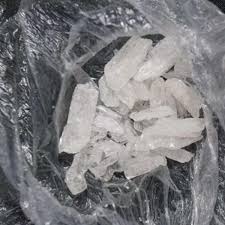
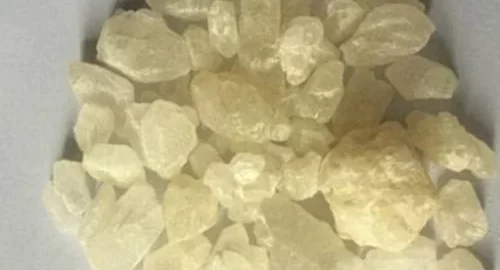
You might have seen them behind the counter at a gas station or a head shop. Colorful, shiny packets with names like “Spice,” “K2,” or “Black Mamba.” They are often marketed as “legal highs” or a safe, natural alternative to marijuana. But despite the leafy appearance of the contents, synthetic cannabinoids are anything but natural. Examples of these drugs include
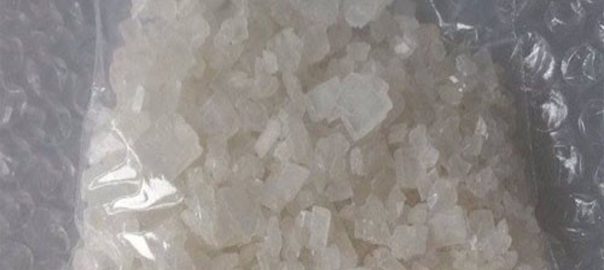
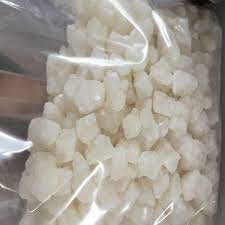
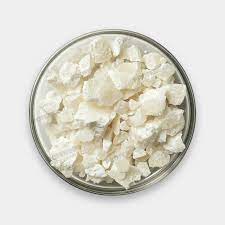
4-MMC or Mephedrone & 4-CMC
3-CMC & 3-MMC
2-MMC & 2-CMC
These substances represent a complex and often dangerous class of designer drugs. While they mimic the effects of delta-9-tetrahydrocannabinol (THC)—the main psychoactive ingredient in marijuana—they are chemically distinct and far more unpredictable. Understanding exactly what these compounds are is the first step in recognizing the serious risks they pose to public health.
Understanding the Chemistry What Are Synthetic Cannabinoids?
Synthetic cannabinoids are human-made mind-altering chemicals. They are either sprayed on dried, shredded plant material so they can be smoked, or sold as liquids to be vaporized and inhaled in e-cigarettes and other devices.
Originally, these compounds were not intended for human consumption at all. They were developed in laboratories by scientists investigating the endocannabinoid system. Researchers like John W. Huffman created compounds (such as the infamous JWH-018) to study how cannabinoid receptors in the brain affect appetite, pain, and memory.
However, underground chemists eventually hijacked these formulas. They began mass-producing the chemicals, spraying them onto inert herbs, and packaging them for recreational use. Because the plant material looks like pot, many users mistakenly believe they are consuming a natural product. In reality, the plant matter is just a delivery vehicle for a potent laboratory chemical.
Why “Fake Weed” is Dangerous
The most critical difference between natural marijuana and synthetic cannabinoids lies in how they interact with the brain. THC is a “partial agonist” to the brain’s cannabinoid receptors. This means it binds to the receptors but has a ceiling effect on how much it activates them.
Synthetic cannabinoids, on the other hand, are often “full agonists.” They bind to the same receptors with significantly more force and activate them to a much higher degree. This can result in an overwhelming, toxic reaction.
The side effects can be severe and include:
- Rapid heart rate and high blood pressure
- Vomiting and nausea
- Violent behavior and suicidal thoughts
- Seizures
- Kidney damage
Furthermore, because these products are unregulated, quality control is non-existent. A packet might contain “hot spots” where the chemical is highly concentrated, leading to an accidental overdose from a single hit. One batch might be relatively weak, while the next could be lethal, even if it comes in the exact same packaging.
The Legal Cat and Mouse Game
If these substances are so dangerous, why are they sometimes sold legally? This comes down to a constant battle between regulators and drug manufacturers.
Governments ban specific chemical structures. As soon as a specific compound is outlawed, clandestine chemists alter the molecular structure just enough to make it technically legal again, while retaining the psychoactive effects. This results in hundreds of different synthetic cannabinoids flooding the market, many of which have never been tested on humans.
To skirt consumer protection laws, manufacturers also label these packages “Not for Human Consumption,” often calling them incense or potpourri. This loophole allows them to be sold openly until authorities catch up with the specific chemical inside.
Prioritizing Safety Over Highs
The allure of synthetic cannabinoids usually stems from their accessibility and the false belief that “legal” equals “safe.” This could not be further from the truth. These compounds are potent, unpredictable, and potentially life-threatening.
If you or someone you know is struggling with substance use or has had an adverse reaction to a synthetic product, seek professional medical help immediately. The best defense against these designer drugs is education—understanding that just because something is sold in a store doesn’t mean it belongs in your body.
Meta data
Meta title
What Are Synthetic Cannabinoids? Risks & Side Effects
Meta description
Synthetic cannabinoids are often marketed as safe legal alternatives to marijuana. Learn what they really are and why they pose serious health risks.