What Are Synthetic Cathinones? A Guide to Bath Salts and Beyond
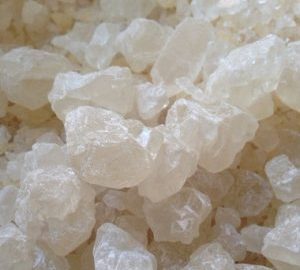
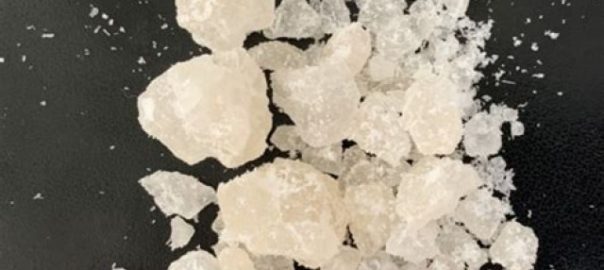
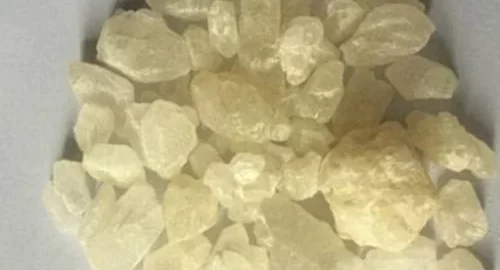
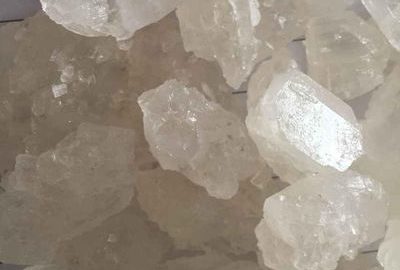
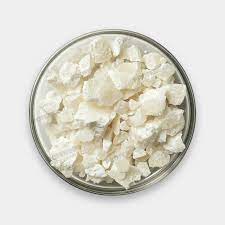
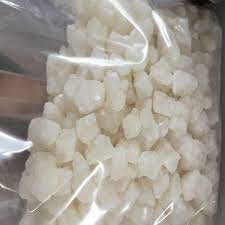
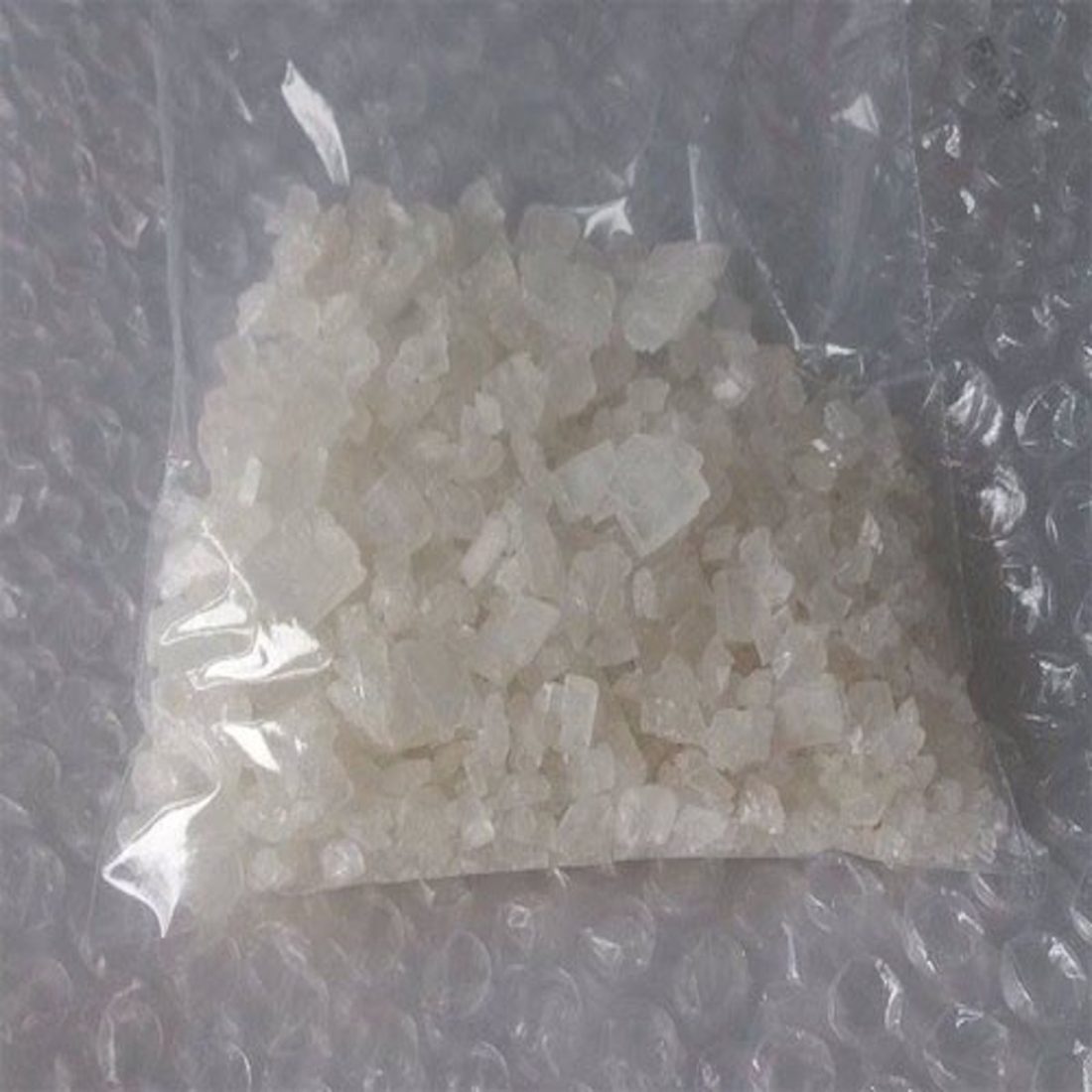
When we talk about dangerous, illicit substances, names like cocaine, heroin, and meth usually top the list. But in recent years, a new class of drugs has emerged in the headlines, often associated with bizarre behavior and severe health risks: synthetic cathinones. You might know them better by their street name, “bath salts.”
These substances are potent stimulants designed to mimic the effects of illegal drugs like cocaine and amphetamines. Despite being chemically engineered in labs, they are often marketed under innocent-sounding names to bypass legal restrictions. This legal gray area has made them widely available and incredibly dangerous for uninformed users.
Understanding what synthetic cathinones are, how they work, and the specific chemicals involved is crucial for public safety and awareness. This guide breaks down the basics of this complex and risky category of designer drugs.
The Chemistry Behind Cathinones
Synthetic cathinones are human-made relatives of cathinone, a stimulant found naturally in the khat plant. Khat is a shrub grown in East Africa and southern Arabia, where people have chewed its leaves for mild stimulating effects for centuries.
However, the synthetic versions created in labs are far more potent than the natural plant. Chemists alter the molecular structure of cathinone to create compounds that produce stronger, longer-lasting, and more unpredictable effects. Because they act on the central nervous system, they can cause a surge in dopamine, norepinephrine, and serotonin—the brain chemicals responsible for energy, alertness, and pleasure.
The result is a powerful “high” that can lead to rapid heart rate, euphoria, and increased sociability. But the flip side includes dangerous side effects like paranoia, hallucinations, violent behavior, and even death.
Common Types of Synthetic Cathinones
Since the mid-2000s, chemists have developed dozens of different synthetic cathinones to stay one step ahead of drug laws. As soon as one specific chemical is ban, another slightly modified version appears on the market. Despite this constant evolution, a few specific compounds have become notorious.
3,4-Methylenedioxypyrovalerone (MDPV)
MDPV is perhaps the most infamous synthetic cathinone. It was the primary ingredient in many of the “bath salts” products that caused a media frenzy around 2010. MDPV is a powerful reuptake inhibitor of dopamine and norepinephrine, meaning it prevents the brain from clearing these chemicals, leading to extreme overstimulation. Users often report intense paranoia and agitation, sometimes lasting for days.
Mephedrone (“Meow Meow” or “M-Cat”)
Mephedrone (4-methylmethcathinone) gained significant popularity in the UK and Europe before spreading elsewhere. Its effects is often compare to a mix of ecstasy (MDMA) and cocaine. While users seek it out for euphoria and increase music appreciation, it carries high risks of heart palpitations, severe sweating, and potential neurotoxicity.
Methylone
Methylone is chemically very similar to MDMA (ecstasy). It is often sold as a substitute for MDMA or mixed into pills sold as “Molly.” Because it is slightly less potent than MDMA, users may take larger doses to achieve the desired effect, increasing the risk of overdose and overheating (hyperthermia).
Alpha-PVP (“Flakka”)
Alpha-PVP is a chemical cousin to MDPV and is notoriously dangerous. Often referred to as “Flakka” or “gravel,” it causes “excited delirium”—a state of extreme agitation, violent behavior, and hyperthermia. This drug is been link to numerous cases of bizarre public behavior and medical emergencies.
What are Synthetic Cathinones and Why Are They Dangerous?
The primary danger of synthetic cathinones lies in their unpredictability. Because they are manufactured in clandestine labs with no quality control, a user can never be sure what chemical they are taking or how potent it is.
Furthermore, the “legal high” marketing strategy is deceptive. These drugs is often selling in gas stations or online label as “plant food,” “jewelry cleaner,” or “phone screen cleaner,” mark “not for human consumption” to avoid regulation. This gives a false impression of safety.
The health consequences can be severe and include:
- Cardiovascular issues: Rapid heart rate, chest pain, and high blood pressure.
- Psychiatric symptoms: Panic attacks, extreme paranoia, hallucinations, and self-harm.
- Physical breakdown: Dehydration, kidney failure, and breakdown of muscle tissue (rhabdomyolysis).
Staying Safe and Informed
Synthetic cathinones represent a volatile and dangerous segment of the drug market. Their shifting chemical makeups and deceptive packaging make them a significant public health challenge.
If you or someone you know is struggling with substance use, professional help is available. Education is the first line of defense against these unpredictable “designer drugs.” Understanding that “legal” does not mean “safe” is a critical message in preventing future tragedies.