What Is 3-CMC Drug? Side Effects and Risks
Synthetic drugs are constantly evolving, with new substances appearing on the market at an alarming rate. These “designer drugs” often mimic the effects of established illegal substances but are chemically tweaked to skirt existing regulations. One such substance that has garnered attention in recent years is 3-CMC.
Often marketed as a “research chemical” or a “legal high,” 3-CMC poses significant health risks that users may not fully understand. Because these substances are manufactured in unregulated labs, their purity and potency vary wildly, making every dose a gamble.
If you have heard of 3-CMC or are curious about what it is, it is crucial to understand the chemical makeup, the potential legal status, and, most importantly, the physical and psychological dangers associated with its use. This guide explores the details of 3-CMC, its side effects, and the family of drugs to which it belongs.
Understanding 3-CMC (3-Chloromethcathinone)
3-CMC stands for 3-Chloromethcathinone. It is a synthetic stimulant belonging to the cathinone class. Cathinones are chemically similar to amphetamines and are related to the natural stimulant found in the khat plant (Catha edulis), which is native to East Africa and the Arabian Peninsula.
While khat has been used traditionally for centuries, synthetic cathinones—often referred to as “bath salts”—are a modern invention designed to replicate the effects of drugs like MDMA (Ecstasy), cocaine, and methamphetamine.
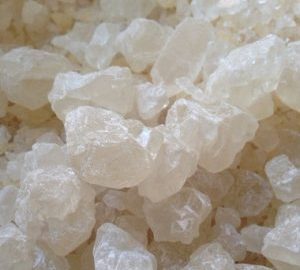
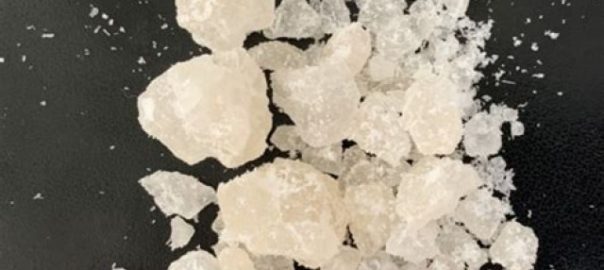
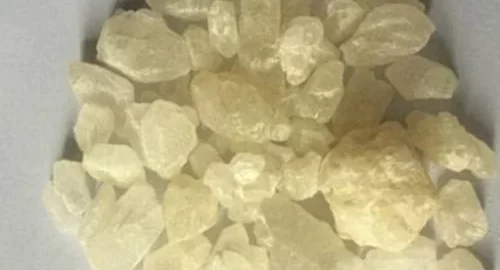
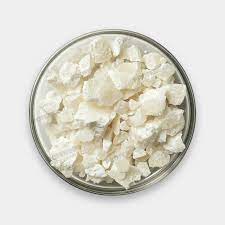
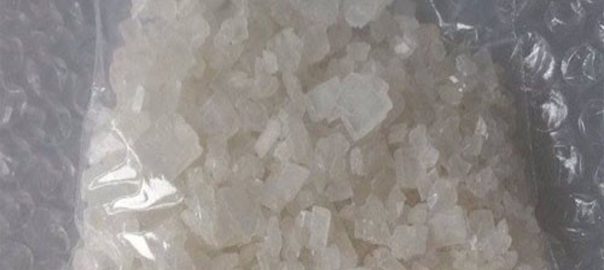
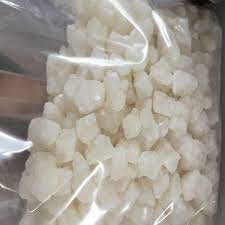
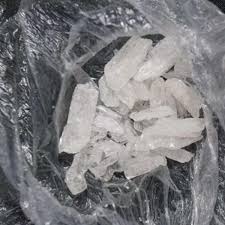
3-CMC usually appears as a white or off-white crystal or powder. It is typically swallowed, snorted, or injected. It emerged on the recreational drug market as a replacement for 4-CMC and 3-MMC after those substances were banned in various countries. Its primary function is to act as a central nervous system stimulant, leading to a temporary increase in energy, alertness, and sociability. However, these effects come at a steep physiological cost.
Legal Status
The legal status of 3-CMC varies by country. In many places, it falls under “New Psychoactive Substances” (NPS) legislation. For example, several European countries and the European Union have taken steps to control or ban 3-CMC due to its toxicity and potential for abuse. In the United States, while it may not always be explicitly named in the Controlled Substances Act, it can often be prosecuted under the Federal Analogue Act if it is intended for human consumption, as it is chemically similar to other banned substances.
The Side Effects of 3-Chloromethcathinone
The appeal of stimulants like 3-CMC is often the initial rush of euphoria or energy. However, the side effects are numerous and unpredictable. Because 3-CMC is neurotoxic, it poses a direct threat to brain health.
The adverse effects can range from uncomfortable physical symptoms to life-threatening emergencies.
Physical Side Effects
The physical toll of synthetic cathinones is often immediate. Users may experience a rapid onset of symptoms that stress the cardiovascular and nervous systems.
- Tachycardia and Hypertension: A dangerous increase in heart rate and blood pressure is common, increasing the risk of heart attack or stroke.
- Hyperthermia: The body may overheat dangerously, leading to organ failure in severe cases.
- Bruxism: Severe teeth grinding and jaw clenching, similar to MDMA use.
- Dehydration and Sweating: Profuse sweating combined with increased physical activity can lead to rapid dehydration.
- Nausea and Vomiting: Digestive distress is a frequent complaint.
- Seizures: High doses or sensitivity to the drug can trigger convulsions.
- Renal Failure: In severe cases of toxicity, kidney failure has been reported.
Psychological and Behavioral Side Effects
The impact on the mind is just as severe as the impact on the body. While the drug mimics the “empathogenic” (socializing) effects of MDMA, it also carries the paranoia associated with methamphetamines.
- Anxiety and Paranoia: Intense feelings of fear and suspicion are common, particularly as the drug wears off.
- Agitation and Aggression: Users may become irritable or violent.
- Hallucinations: Visual or auditory hallucinations can occur, leading to erratic behavior.
- Insomnia: The stimulant nature of the drug often prevents sleep for long periods, leading to sleep deprivation psychosis.
- Depression and Suicidal Ideation: The “comedown” from 3-CMC is notoriously harsh, often characterized by a severe drop in mood and dopamine levels.
Long-Term Risks
Because 3-CMC is a relatively new substance on the market, the long-term effects are not fully studied in humans. However, animal studies on similar chloromethcathinones suggest significant neurotoxicity. This means the drug may cause damage to neurons (nerve cells), potentially leading to long-term cognitive deficits, memory loss, and emotional instability.
Related Drugs to 3-CMC
3-CMC is part of a large, chemically related family of synthetic cathinones. Understanding its “relatives” helps contextualize why this drug exists: manufacturers are essentially playing a game of “whack-a-mole” with law enforcement, tweaking molecules slightly to create new, technically legal substances as soon as the old ones are banned.
Here are some of the most notable related substances:
3-MMC (3-Methylmethcathinone)
This is the immediate predecessor to 3-CMC. It became highly popular in Europe as a “legal high.” 3-MMC is structurally very similar to mephedrone (4-MMC). It produces feelings of euphoria and stimulation but is considered less potent than 4-MMC. It was banned in many jurisdictions, which led directly to the rise of 3-CMC.
4-MMC (Mephedrone)
Perhaps the most famous synthetic cathinone, Mephedrone (often called “Meow Meow” or “M-Cat”), exploded onto the club scene in the late 2000s. It is known for its intense euphoric and empathogenic effects, bridging the gap between cocaine and ecstasy. However, its high potential for addiction and severe cardiovascular side effects led to widespread global bans.
4-CMC (Clephedrone)
Like 3-CMC, 4-CMC is a chlorinated cathinone. It appeared on the market alongside 3-MMC. Reports suggest that chlorinated cathinones (like 4-CMC and 3-CMC) may be more neurotoxic than their methylated counterparts (like 3-MMC and 4-MMC). This makes the shift from MMC drugs to CMC drugs particularly worrying for public health.
MDPV (Methylenedioxypyrovalerone)
MDPV is one of the primary ingredients found in the notorious “bath salts” blends that made headlines in the early 2010s. It is a potent stimulant that acts more like methamphetamine or crack cocaine than MDMA. It is known for causing extreme psychological distress, including excited delirium, severe paranoia, and violent hallucinations.
Alpha-PVP (Flakka)
Chemically related to MDPV, Alpha-PVP is another highly potent stimulant associates with bizarre and uncontrollable behavior. Often referred to as “gravel” or “flakka,” it has a very narrow window between a recreational dose and a fatal overdose.
Harm Reduction and Safety
The safest course of action is to avoid consuming 3-CMC and other synthetic cathinones entirely. The lack of quality control means that a user never truly knows what they are taking or how strong it is.
However, from a harm reduction perspective, it is vital to acknowledge that people may still choose to use these substances. If you suspect anyone of having takes 3-CMC, be aware of the following:
- Do not mix substances: Mixing 3-CMC with alcohol, other stimulants, or depressants dramatically increases the risk of heart failure and respiratory depression.
- Hydration: Users often forget to drink water, but over-hydration is also a risk. Sipping water slowly is safer than chugging large amounts.
- Recognize the signs of overdose: If someone experiences chest pain, seizures, difficulty breathing, or extreme overheating, seek emergency medical attention immediately.
- Mental health support: The comedown can be psychologically devastating. Having a supportive, sober person present can help navigate the anxiety and depression that follow use.
The Reality of Synthetic Stimulants
3-CMC represents a dangerous evolution in the drug market. It is a substance create not for safety or medical benefit, but to bypass legal loopholes. The result is a drug that offers a short-lived high with the potential for long-lasting damage to the brain and heart.
As governments continue to crack down on specific chemical formulas, new variants will likely emerge. Education and awareness regarding the specific risks of chlorinated cathinones like 3-CMC are our best defense against the harm they cause.
If you or someone you know is struggling with substance use, professional help is available. Addiction to synthetic stimulants is treatable, and recovery is possible.